




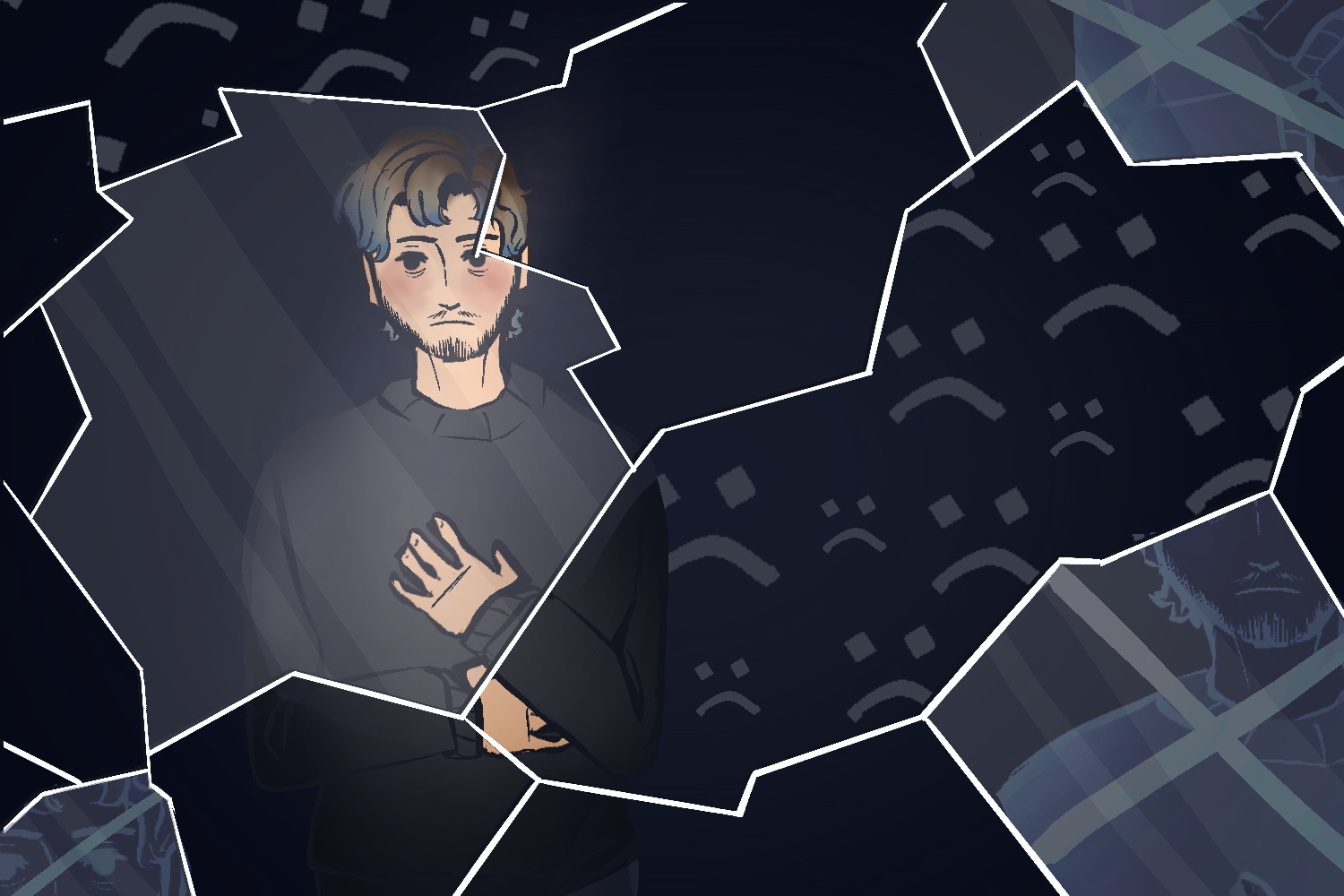
It’s no secret that everyone has flaws. Nothing and no one is ever perfect, and that’s a fact of life. But it’s kind of hard for most people to digest this fact. Instead of people thinking they’re the best, they think that they’re the worst. It’s true that some people have confidence or cannot get enough of themselves; however, a lot of people are stuck wishing that they weren’t themselves, that there are no good aspects of their lives, that all they do is make people angry, and that no one likes them. Trust me, I know this feeling all too well.
Having low self-esteem is a nightmare. You can’t do anything without thinking about the consequences. Unfortunately, it’s very common for this to take over someone’s life. There are many ways that someone can start feeling this way about themselves, and it sort of develops into a cycle. Let’s break it down:
From my personal experience, many things come with having low self-esteem. It starts with a change in mindset, focusing only on the negative. Thoughts race around your head, “Am I even good enough?” “What’s the point?” “I’m so stupid.” Then, you lose motivation. You just can’t fathom doing anything. Everything is too difficult; even the simplest things aren’t worth doing. Then you get paranoid. You feel like everybody hates you, and no one wants to talk to you. You believe that nothing that you do will make anyone happy, that the world would be better off without you. This is typically the nail in the coffin for most, and how someone responds to all of these things can literally mean life or death. Ultimately, there are only a couple of ways to respond to this, and what happens you choose can determine the entire course of your life.
Low self-esteem is typically caused by insecurities that already exist, and these vary from person to person. Some may worry about their intelligence, while others may worry about their skills. Sometimes it’s issues with your social life, other times it’s your appearance. Responses to these issues can vary. You may find yourself isolating from others out of fear of ridicule, while others may hide their feelings, pushing through the pain. According to the National Health Service of the U.K., others may use more harmful coping mechanisms, such as drug use or self-harm. It sucks to hate yourself, criticizing everything that you do, and not being able to stop isn’t fun. Dragging yourself down in the name of attempting to fix your own flaws doesn’t work. In rare cases, some don’t realize this until it’s too late, when they’ve already dug themselves into a hole too deep to climb out of. Some worry about insecurities that they cannot really do anything to fix. Yet even with that knowledge, people lose sleep over this. With self-esteem, there is only one correct way to raise it: changing to a positive mindset. But, this is easier said than done. Raising your self-esteem is hard, especially by yourself. It’s good to seek support from family and friends, but it’s important that self-growth is one of the pillars of having high self-esteem.
Recognizing your flaws is probably the most important part of growing. Nobody is perfect, and some flaws cannot be changed easily. It is important to recognize that doing something difficult doesn’t mean doing something impossible. It will take a while, and you will face setbacks. Things may suck now, but you shouldn’t beat yourself up for it. If there is a chance to improve yourself, take it. You cannot let your flaws get into your head. You have great qualities that should be celebrated.
Know that you are loved. Know that you aren’t useless. So what if there are a couple of things you may not be good at? Everybody has issues. Love yourself for who you are. Don’t hate yourself!
▸ Rude or obscene language (i.e. swear words, sexual jokes, violent threats, etc.)
▸ Hate speech (i.e. racism, sexism, homophobia, etc.)
▸ Insults towards a specific student or a teacher
▸ Content that is irrelevant to the article or does not add to the discussion
▸ Submitting comments under somebody else's name
Refer to the student handbook for further specifics on what is considered appropriate.
The Social Media Editor will read and evaluate all comments. Should there be any issues with a particular comment, the Social Media Editor will consult the newspaper adviser and Online Editor-in-Chief.