



‘Wicked: For Good’ or for worse?


This song title refers to the scene near the end of “The Wizard of Oz” where the main character, Dorothy, clicks her heels to get back to her home in Kansas, saying, “There is no place like home.”
In Elphaba’s case, she reflects on her love for Oz, the place she calls home, although she doesn’t receive the same love back.
For many viewers, hearing this song serves as a relevant reminder about the current political climate of our country and other countries, and how they aren’t being recognized as “home” by all the changes that have occurred. Through the lyrics of “When you feel you can’t fight anymore / Just tell yourself / There’s no place like home” and “Oz belongs to you too,” they are able to connect with audiences who are feeling the same way as Elphaba.
Schwartz confirmed in an interview with NBC News that this song was inspired by the feeling of loving a place you call home, even if there is negativity and hate from within. This then allows viewers to understand the sacrifice that Elphaba makes at the end of the movie.
The only drawback from this scene is the interruption by the Cowardly Lion just as Elphaba is about to sing the final high note from the song. Many viewers found this frustrating when considering Cynthia Erivo’s vocal ability and the emotional weight of the moment. The interruption also shifts in the tone, redirecting the scene toward the Lion’s attempt to spread fear among the other animals.
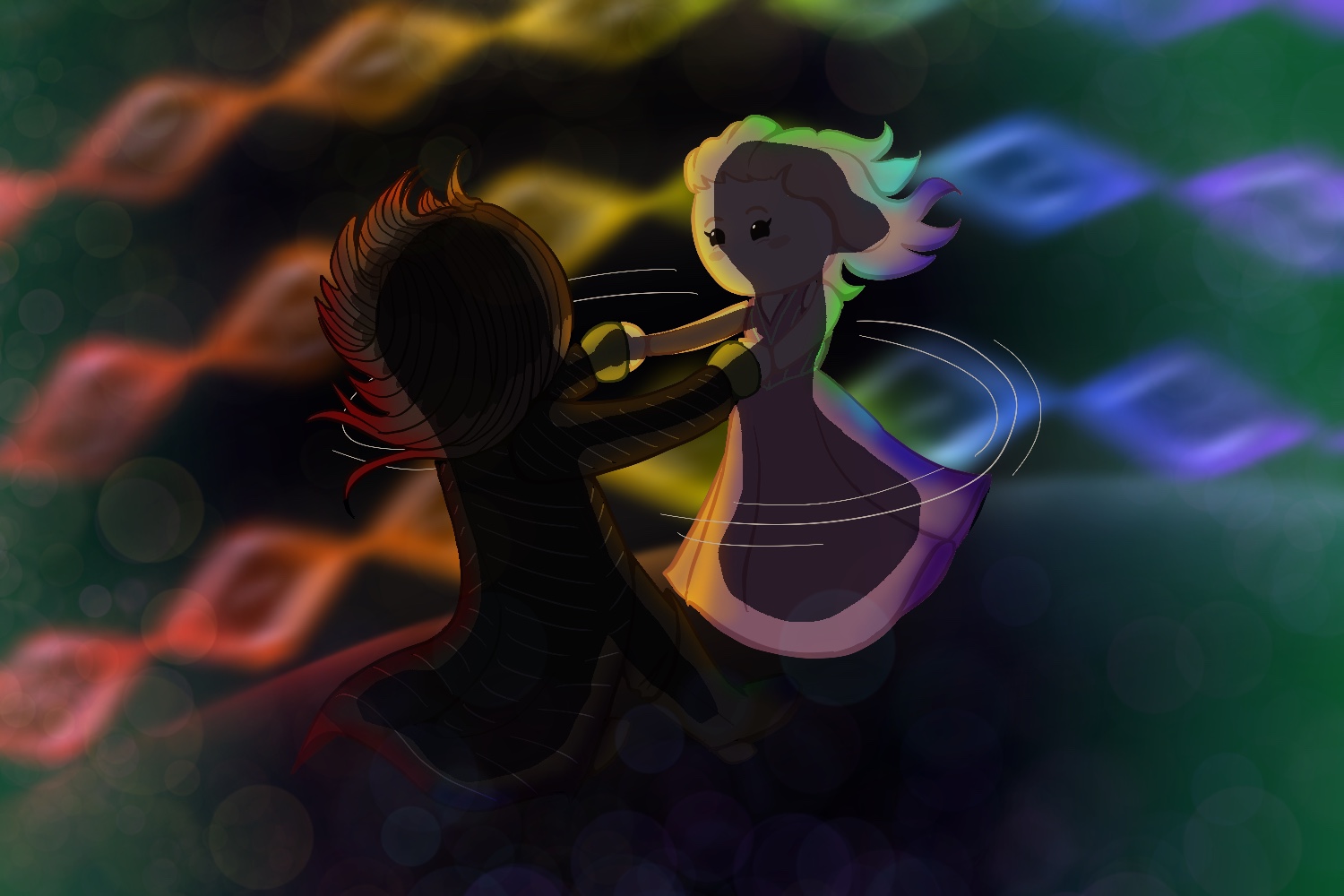
In the musical, this song is sung by the Wizard alone, but in “Wicked: For Good”, Glinda is added to sing along with the Wizard. This is a great depiction of the complex relationship Glinda, the Wizard, and Elphaba have: with the Wizard using a complicit Glinda as a manipulation tool to get Elphaba to join his cruel plan for Oz’s future.
Meanwhile, this addition reveals a more complex view of Glinda as a character. At this point between the two movies, Glinda is fully aware of the injustice the current system has done to Elphaba. Yet, she continues to join in, convincing her to join the exact system that hurt her.
Adding this auditory and visual complexity to the song deepens the understanding of the characters’ motives. A splendid choice for this song overall.

There were high expectations for this song, mainly because of Slater’s role as Boq, who turns into the Tin-Man. With his previous experience on Broadway as SpongeBob, there was concern about how his portrayal was going to play out towards Elphaba and wanting to get rid of her.
He did not disappoint in his performance.
Slater absolutely embodies this role as he yells the lyric: “I have a personal score to settle with the witch!” He ultimately transformed the Tin-Man into a resentful and even scarier man to see on screen, particularly with the glare that he gives Glinda. Not to mention, the vocals of the mob of Witch Hunters absolutely helped carry the song. But one part that was missed from the musical was the beginning line: “Good fortune, Witch Hunters!” Ultimately, this song did not deserve to be cut off by “Girl in the Bubble.”
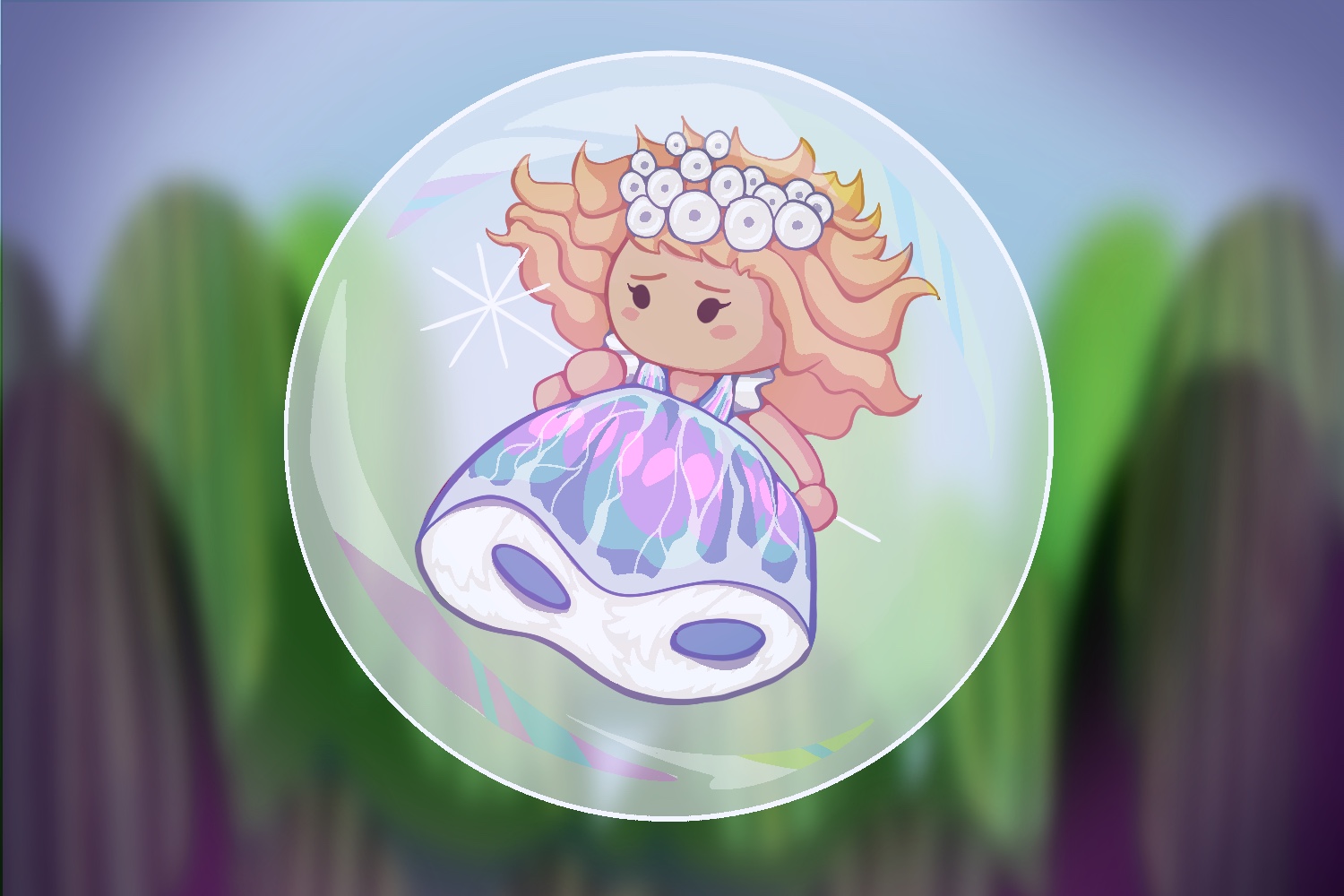
This song appears when Glinda receives a bubble transportation machine from the Wizard to mask her lack of magic. However, the lyrics point to a much deeper understanding of her character.
Glinda’s love for magic, at this point, has faded away, and she has desperately wanted to become the spotlight by having powers and true magic within. This is seen through the flashback where Glinda got a bubble wand for her birthday. After attempting magic and getting questioned by her peers, she lied and said she made a rainbow appear. Really, she never made any magic at all.
This song is about Glinda breaking down and saying that her so-called picture-perfect life is full of lies. It gives a much-needed reminder to the audience that Glinda’s character isn’t just the naive, bubbly, preppy girl. She’s all too aware of her situation and where she’s ended up in life, at the cost of her closest friend. Not only is she aware, but she’s also grieving the direction her life went.
This is when her awareness explicitly shifts from being blissfully complicit with the Wizard to apprehension of being the figurehead they want.
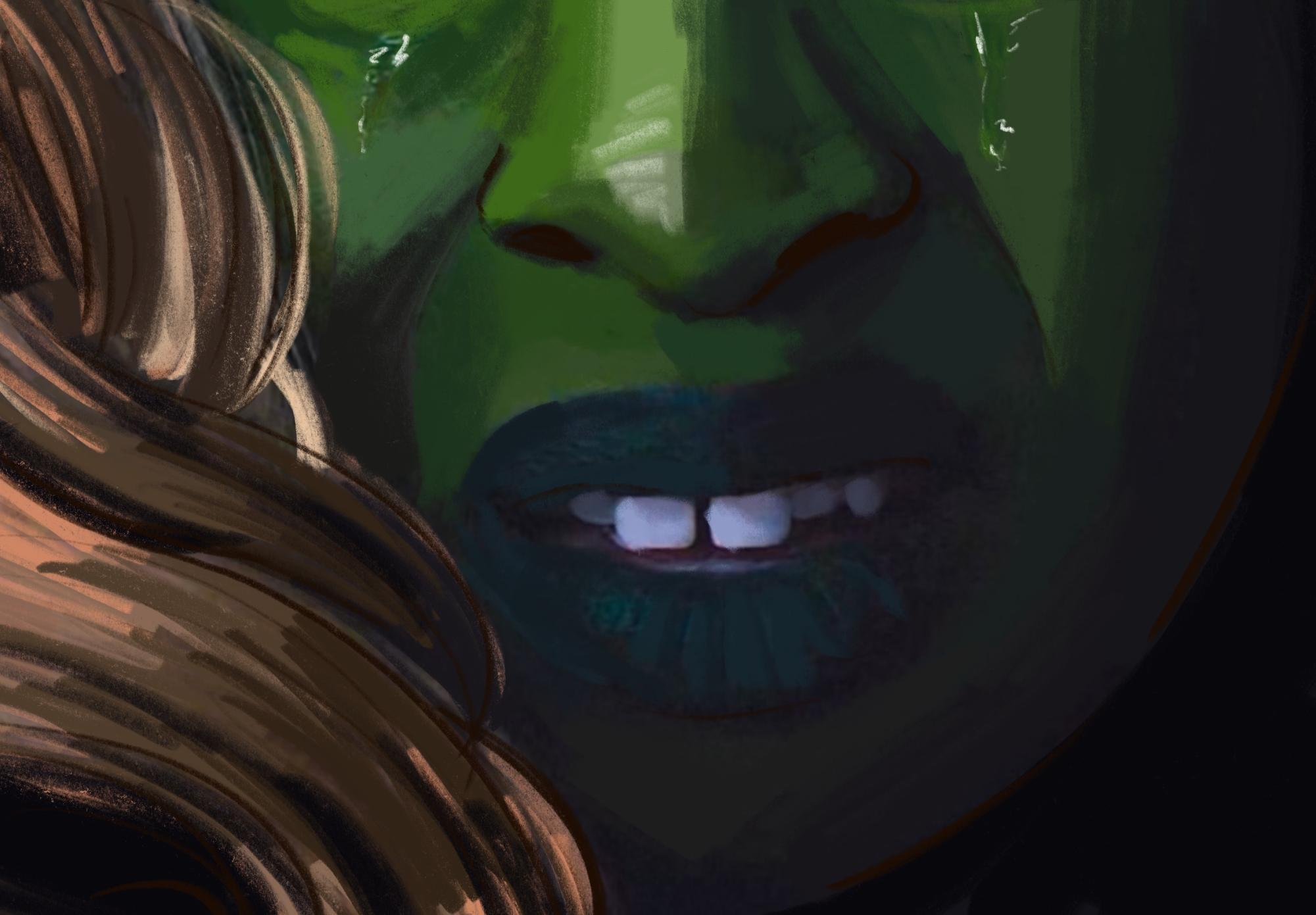
“For Good” stands out as one of the most emotionally devastating songs in the entire musical. The emotions that are sung throughout the entire line land with full force as Glinda and Elphaba share their final moments for the very last time before Elphaba sacrifices herself and is presumed “dead.” The improvisation of both of them saying “I love you” to each other adds to the bittersweet feeling, showing how deep their connection had become from when they first met at Shiz.
This is a song many people were looking forward to since the announcement of the second movie last year, and there weren’t many concerns about it compared to the rest of the film. It was definitely a tearjerker meant to get you misty-eyed with reflection, and it does its job incredibly well, leading to the ending finale.
It is especially impactful to the audience because of how simple and quiet the moment is compared to the other songs in this film. Without any flashy visuals, the focus stays on Glinda and Elphaba’s emotions and the meaning of their saying their goodbyes to each other. This beautiful song emphasizes growth and acceptance. It shows that even though they must go their separate ways, their friendship has permanently changed both of them, making the moment both heartbreaking and truly unforgettable.
▸ Rude or obscene language (i.e. swear words, sexual jokes, violent threats, etc.)
▸ Hate speech (i.e. racism, sexism, homophobia, etc.)
▸ Insults towards a specific student or a teacher
▸ Content that is irrelevant to the article or does not add to the discussion
▸ Submitting comments under somebody else's name
Refer to the student handbook for further specifics on what is considered appropriate.
The Social Media Editor will read and evaluate all comments. Should there be any issues with a particular comment, the Social Media Editor will consult the newspaper adviser and Online Editor-in-Chief.