




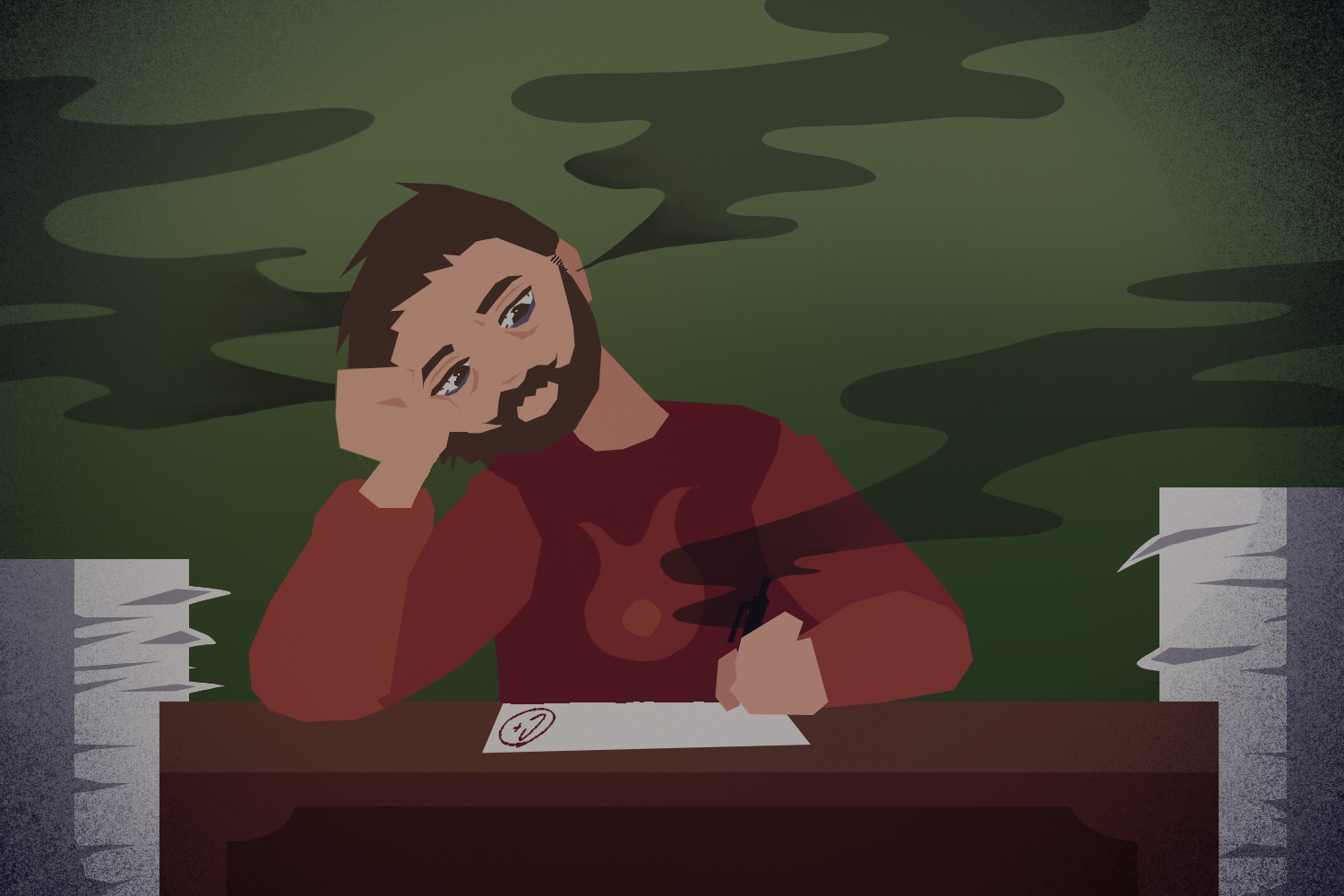
By the end of the school day, after hours of grading and managing the classroom, teachers can feel overwhelmed, stressed, and drained. What once seemed like a manageable workload has led many educators to experience teacher burnout.
According to Western Governors University, burnout is a state of chronic stress that leads to physical and emotional exhaustion, detachment, and a feeling of a lack of accomplishment.
“It’s the collective consequence of long-term stress that exceeds our capacity to cope.” Metea Valley school psychiatrist, Catherine Caire, said.
Beyond expert definitions, teachers describe burnout as something that unfolds in their daily routines and classroom interactions. Rather than appearing all at once, it builds over time, affecting not only how teachers feel, but how they show up in the classroom every day.
AP Psychology teachers Benaiah Lundy and Michael O’Neil describe burnout not just as exhaustion, but as something that slowly affects their energy and interactions in the classroom.
“It can definitely start to weigh into mental health, your energy level, your ability to be kind in the classroom,” O’Neil said.
It is not simply about being tired; it is about the emotional capacity teachers bring into their spaces.
“There’s a hopelessness to it,” Lundy said.
These feelings of discouragement can grow when teachers put in hours of planning and support but lack appreciation, especially during the long stretches of the year.
Teacher burnout is also connected to the expanding roles teachers are taking on beyond just giving instructions and teaching.
“We have kind of become therapists or social workers at times,” O’Neil said.
In addition to explaining topics, teachers are supporting students through challenges that extend far beyond academics. They find themselves helping students navigate anxiety, pressures, and mental health struggles.
Lundy says there are often deeper struggles that require teachers to sometimes go beyond the educator role and respond with patience.
Research from Reachout Schools notes that burnout goes beyond the occasional stressful day in the classroom and can affect both personal and professional life. Common warning signs include losing passion or motivation to teach, becoming emotionally dysregulated, struggling to complete routine tasks like lesson planning, and feelings of apathy.
“When I notice that I’m starting to withdraw [and] isolate myself in my office, where I’m just trying to bust through all the things on my to-do list, that can be a sign for me that I’m nearing a little burnout,” Caire said.
A recent study on burnout published at thosewho-can.org highlights many effective strategies for preventing and managing teacher burnout, including setting aside time for self-care, seeking professional support, and reflecting on different ways to approach stress.
“Teachers often report [that] what would truly help manage their burnout would be things like shorter work days, less paperwork, higher pay, and more support in resources and funding that they have to be able to support their students in the classroom,” said Caire.
Although teachers often call for structural support, they said that emotional recognition matters just as much.
Caire says support does not always have to be large-scale.
“Just saying thank you is huge for us as teachers and educators,” Caire said.
While burnout can be defined clinically, some teachers describe this condition with the realities of their daily workload. For these educators, burnout stems from the relentless pace of the job and the feeling that the world is never fully complete.
“The job is never done, we’re always playing catch-up.” Culinary and Mini Mustang teacher Kara Hall said.
Hall added to that, saying that certain times of year worsen the pressure. Although February is the shortest month on the calendar, she said it often feels like the longest month of the school year. It can feel like “a year of never getting ahead,” said Hall
Beyond seasonal stress, Hall also identified several causes of burnout, including “underappreciation, overwork, not an efficient amount of time to plan, grade, and collaborate,” and what she believes is unfair compensation for teachers.
As these educators describe it, burnout is not just about being tired; it’s about the emotional strain, pressure, and the quiet weight of responsibilities that stretch much further than just lesson plans. If the goal is strong classrooms, then the well-being of the people leading them matters too.
subhan • Feb 20, 2026 at 1:49 am
Beautifully written. Teacher burnout is something many people don’t fully understand, but I’ve seen it closely since my mother is a teacher. You captured the challenges with so much empathy and insight. This really deserves more awareness
XK • Feb 19, 2026 at 10:52 am
Teachers are honestly one most underpaid and under appreciated jobs out there. They do so much and are a crucial part of our society. This article highlights all the work that they put in.