




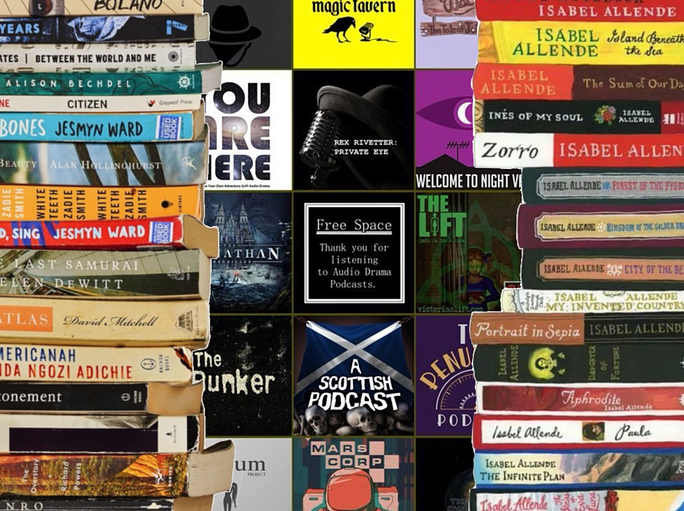
My eyes strain trying to stay focused on one line. I have to finish this English reading, but I keep losing focus. I have to reread the same page over and over again. My head starts to ache as I curse Gatsby and his stupid parties for a stupid situationship. My eyes begin to close as I fall asleep, unable to finish another novel. But hey, at least I have audiobooks.
Audiobooks and audio-dramas use sound as their medium for storytelling instead of the print we are used to. While it’s a small difference, it changes the way that stories are delivered. It creates a difference in how the audience engages with the plot, characters, themes, and language. The format changes, but the literary experience remains the same.
Reading means to understand and experience the story. While your ears are not your eyes, audio formats have been preserving stories for centuries, from Homer’s continuous telling of the “Iliad” to Ray Porter’s marvelous narration of Project Hail Mary. Audio adds what we feel in a conversation, the emphasis, tone, and pronunciation, that deepen our interpretation of stories. Audio-dramas take it one step further by using voice acting, music, and sound design to build an atmosphere and highlight emotions.
For example, the novel Good Omens by Terry Pratchett is 416 pages long, but also exists as a well-narrated audiobook and the BBC Good Omens Radio 4 dramatization. Each adaptation tells the same story but in different ways, showing how flexible storytelling can be. Listeners can understand the characters in ways they previously might not have been able to, because they can hear a panicked voice or a calm narration while still following the plot. They can still appreciate the humor and writing through the audio and experience the book in a meaningful way.
Audiobooks and audio dramas also support another form of literacy. People talk about reading as if it were one single skill, but comprehension can come in many different forms. A well-told audiobook can make complex writing more accessible, especially for readers who struggle with dense text, visual fatigue, and attention difficulties. An audiobook can turn pacing and dialogue into tools that make an entirely new atmosphere that can carry the story forward.
It’s important to have different forms of reading, as not everyone reads the same way. Some people use audio because of time, aid, and others simply prefer it. If the goal is to engage with literature, audio should count as a way to read.
Engagement is another reason that audiobooks and dramas matter. They expand one type of media into a more accessible audience. People can listen to Gatsby’s situationship as they drive to school, and parents can listen to Odysseus’s journey as they do the dishes, allowing people who struggle with traditional reading to engage without removing any of the substance. It allows stories to remain powerful across multiple formats.
At its core, reading is about engaging with characters, ideas, and languages. Audiobooks and audio-dramas belong in the conversation just as much as printed books do. It may not be the same for your eyes, but if it delivers the same story, then you will appreciate it.





▸ Rude or obscene language (i.e. swear words, sexual jokes, violent threats, etc.)
▸ Hate speech (i.e. racism, sexism, homophobia, etc.)
▸ Insults towards a specific student or a teacher
▸ Content that is irrelevant to the article or does not add to the discussion
▸ Submitting comments under somebody else's name
Refer to the student handbook for further specifics on what is considered appropriate.
The Social Media Editor will read and evaluate all comments. Should there be any issues with a particular comment, the Social Media Editor will consult the newspaper adviser and Online Editor-in-Chief.