




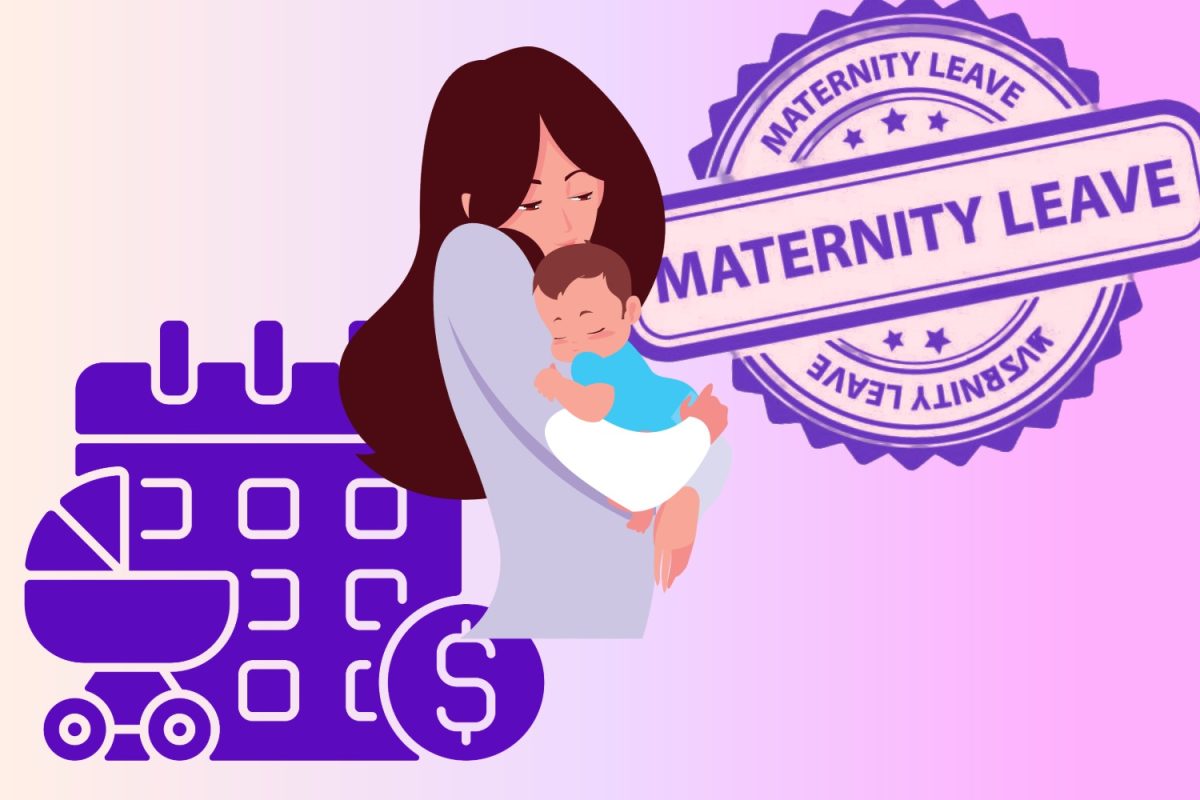
A baby’s first word and first time sleeping through the night are all important milestones that both parents should get to experience. But if the parents have to choose between a paycheck and their baby, that special bond between parent and child is hindered, and these special moments are missed. Spending time with a newborn shouldn’t be a luxury.
The federal bill Family and Medical Leave Act (FMLA) entitles eligible employees to 12 weeks of protected, unpaid leave per year for the birth and care of a newborn child. This act ensures that any employee who takes the leave will get their job back with the same wage and benefits after 12 weeks, and ensures no employer can punish them. Your employer must continue your health insurance if you take FMLA leave as well.
However, there are some requirements needed to be met in order to be protected by this act. The employee must have worked for the employer for at least 1,250 hours in the last 12 months before taking leave. The employer must have 50 employees within 75 miles of your worksite, and the only exception to this requirement is secondary and elementary schools.
It’s important to note how this act is for unpaid leaves instead of paid leaves. If an employee has saved up sick days, they can use them during their FMLA leave, but that pay is still coming from their own savings. Lower-income workers may not be able to afford to take a full 12 weeks off even if they qualify for FMLA leave.
Now specifically in Illinois, there is the Paid Leave for All Workers Act (PLAWA). This act allows employers to earn up to 40 hours of paid leave. However, this law does not apply to public school districts since they are organized under the School Code. The Illinois School Code does include specific paid leave, but it does not allow paid leave for “any reason” as the PLAWA does. The School Code is overall not as flexible; it limits its use to a medical need or family emergency.
Overall, there are opportunities to have paid maternity leave for teachers. But it still is not easily accessible. According to the National Council on Teacher Quality, less than a quarter of districts offer any paid parental leave beyond earned sick days. And of those that do, the amount of leave ranges from one day to five months, with most offering less than 31 days.
Many teachers end up having to either save up sick days, take a limited unpaid leave, take donated sick days from colleagues, or try to time their birth over the summer. But timing a pregnancy is not realistic, and teachers should not have to come into school sick just so they can save their sick days for a future pregnancy
Ensuring long and paid maternity leaves can have benefits for the baby, parents, and even the workforce. According to Stanford Medicine, longer and paid maternity leave is associated with lower rates of postpartum depression, higher rates of breastfeeding, improved bonding with baby and mother, and a lower likelihood of the mother or baby returning to the hospital with medical complications within the first year.
For economic benefits, in the year following the birth of a child, women who took paid leave are more likely to return to work, see a wage increase, and are less likely to rely on public assistance and food stamps.
Paid maternity leave should be way more accessible for teachers. Doing so will not only benefit the parents and their baby but also the workforce. We should support teachers’ kids just like they support yours.





▸ Rude or obscene language (i.e. swear words, sexual jokes, violent threats, etc.)
▸ Hate speech (i.e. racism, sexism, homophobia, etc.)
▸ Insults towards a specific student or a teacher
▸ Content that is irrelevant to the article or does not add to the discussion
▸ Submitting comments under somebody else's name
Refer to the student handbook for further specifics on what is considered appropriate.
The Social Media Editor will read and evaluate all comments. Should there be any issues with a particular comment, the Social Media Editor will consult the newspaper adviser and Online Editor-in-Chief.